


Sulfates are a group of chemical compounds containing the sulfate ion, which play a vital role in many industrial, agricultural, medical, and daily life processes due to their diversity and breadth. These compounds have become one of the most widely used materials in the world due to their special properties such as chemical stability, absorbability, and ability to combine with various elements.
From detergents and health products to agricultural fertilizers and even pharmaceuticals, sulfates are used in a wide range of industries due to their unique properties. Despite the environmental challenges associated with some of these compounds, sulfates continue to play a key role in advancing industries and improving the quality of human life.
What is sulfate?
Sulfate is a group of chemical compounds that contain the sulfate ion (SO₄²⁻). This ion contains a sulfur atom in the center and four oxygen atoms bonded to it in a tetrahedral manner. Sulfates are abundant in nature and are commonly found in water, soil, and some minerals.
Sulfates can be found in many different chemical compounds, including inorganic salts such as calcium sulfate (CaSO₄) and magnesium sulfate (MgSO₄). These compounds have a wide range of applications in various industries; for example, sulfates are used in the chemical industry, agriculture, health product manufacturing, and water purification. Sulfates are also used in many detergents and cosmetic products as surfactants, which help create foam and clean.
From an environmental perspective, high sulfate concentrations in water can cause problems for plants and living organisms. For this reason, controlling sulfate levels in water sources and wastewater is of great importance. In some areas, groundwater may naturally contain high levels of sulfate, which can cause problems such as an unpleasant taste in the water and digestive disorders in humans.
9 Common Types of Sulfates in the World
Sulfates are a class of chemical compounds that play a very important role in many aspects of daily life and various industries. These compounds include the sulfate ion (SO₄²⁻) that combines with various elements to form a variety of compounds. Each type of sulfate has its own characteristics and uses.
1. Sodium Sulfate (Na₂SO₄)
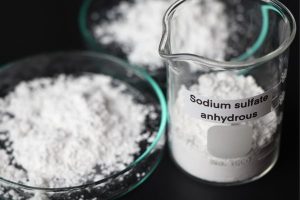
Sodium sulfate is one of the most widely used sulfates in various industries. This chemical compound occurs naturally in some salt lakes and is also produced synthetically. Sodium sulfate is mostly used in the detergent industry, especially washing powders, as a filler.
It is also used in the paper and pulp industry for production processes. This substance can help regulate the concentration of chemical solutions and is used in many industrial processes due to its thermal and chemical stability.

2. Magnesium Sulfate (MgSO₄)
In second place, magnesium sulfate, also known as Epsom salt, is a chemical compound with a wide range of applications. Due to its water-absorbing properties, this substance is used in medicine as a sedative and anti-inflammatory agent to relieve muscle pain and reduce stress.
It should be noted that in agriculture it is used as a useful fertilizer to provide magnesium and sulfur to plants. Magnesium sulfate is also used in hot water baths as a stress reliever and muscle pain reliever due to its therapeutic properties.
3. Iron Sulfate (FeSO₄)
Iron sulfate is a chemical compound that is used in various industrial and medical fields. It is used as a dietary supplement to treat iron deficiency anemia in humans and animals. Iron sulfate is also used in agriculture as a fertilizer and can help improve the quality of iron-poor soils. In the water treatment industry, iron sulfate is used to settle solids and purify water.
4. Aluminum Sulfate (Al₂(SO₄)₃)
Aluminum sulfate is also a chemical compound that is used in the water treatment industry as a substance to settle suspended particles in water. This compound is used in the municipal and industrial water treatment process and makes the water more transparent and pure. Aluminum sulfate is also used in the paper and textile industries to stabilize colors and reduce pH. Another of its uses is in the pharmaceutical and cosmetic industries, especially in antiperspirant products.
5. Copper Sulfate (CuSO₄)
Copper sulfate is a blue chemical compound that has many applications in the agricultural, chemical, and pharmaceutical industries. This substance is used as a fungicide in agriculture to control plant diseases.
Copper sulfate is also used in the aquaculture industry as a substance to control algae and improve water quality. In the electronics industry, this compound is also used in the production processes of printed circuit boards and batteries.
6. Calcium Sulfate (CaSO₄)
Calcium sulfate is a chemical compound that is widely used in the construction industry as a raw material in the production of gypsum and cement. This substance exists in two main forms, namely natural gypsum and dry gypsum (hydrated gypsum). Calcium sulfate is also used in the medical industry as a substance for stabilizing bones and producing dental products. This compound is also used in the production of plasters and mortars due to its special properties.
7. Potassium Sulfate (Potassium Sulfate – K₂SO₄)
In another and important scope of this product, potassium sulfate is one of the most important agricultural fertilizers that is used to supply potassium and sulfur to plants. It is used as a fertilizer in potassium-poor soils to increase plant growth and yield. Potassium sulfate is also an ideal fertilizer for chlorine-sensitive plants such as strawberries and grapes because it does not contain chloride. It can help improve the quality of agricultural products and plant resistance to diseases.
8. Ammonium Sulfate (Ammonium Sulfate – (NH₄)₂SO₄)
Ammonium sulfate is a nitrogen fertilizer that is widely used in agriculture. It is used as a source of nitrogen for plants and, in alkaline soils, acts as a soil amendment to reduce soil pH. Ammonium sulfate is also used in the chemical industry as a raw material to produce some compounds. This fertilizer helps to enhance plant growth due to its nitrogen and sulfur content and is very effective for crops such as wheat and corn.
9. Barium Sulfate (BaSO₄)
Barium sulfate is a chemical compound that is mostly used as a substance in medical radiology due to its water-insoluble and high-resistance properties. This compound is used as a contrast agent in medical imaging tests such as radiography and CT Scan to view the digestive tract. It is also used in the paint and plastic industries as a filler resistant to heat and acids.

Properties of Sulfates
Sulfates are chemical compounds that play a fundamental role in many aspects of daily life and various industries. They are typically formed by combining sulfur with oxygen and metals or nonmetals and are found in both inorganic and organic compounds. Sulfates play important roles in natural processes such as the water cycle, soil, and in various industries including detergents, pharmaceuticals, agriculture, and water treatment.
Understanding the properties of sulfates helps us better understand their wide applications in various industries and their effects on the environment and human health.
1. Chemical Properties of Sulfates
Sulfates are mainly composed of a sulfate ion (SO₄²⁻), in which one sulfur atom is bonded to four oxygen atoms. This compound is highly stable and remains ionized in many aqueous solutions. Sulfates are often known as salts of metal compounds such as sodium sulfate, potassium sulfate, and calcium sulfate.
A key chemical property of sulfates is their high solubility in water. This property allows sulfates to act as strong electrolytes in aqueous solutions and to be used as a source of sulfur and oxygen in many chemical reactions.
2. Role of sulfates in nature
Sulfates are found naturally in groundwater, oceans, and even in the Earth’s atmosphere. The natural sulfur cycle is formed by the presence of sulfates, in which sulfur is transported from the Earth to the atmosphere and back to the Earth. This cycle not only plays a role in regulating environmental processes, but is also vital for the growth and survival of living organisms.
Sulfates also play a role in the formation of acid rain. When sulfur dioxide (SO₂) in the atmosphere reacts with moisture, sulfates are formed and play a role as a major component in acid rain, which leads to environmental degradation.
3. Industrial Uses of Sulfates
Sulfates are used in various industries including detergents, cosmetics, agriculture, and pharmaceuticals. In the detergent industry, sulfates are widely used due to their high ability to create foam and dissolve grease and dirt. For example, sodium sulfate and sodium lauryl sulfate are the main ingredients in many household and personal detergents.
In the agricultural industry, sulfates are used as fertilizers to strengthen the soil and increase crop yields. Potassium and magnesium sulfates are known as agricultural fertilizers because they provide essential minerals for plant growth.
4. Environmental and Health Effects of Sulfates
Although sulfates are naturally occurring in the environment, their excessive presence in water sources can cause serious problems. High levels of sulfate in drinking water can cause digestive problems such as diarrhea and intestinal upset. Also, the release of sulfate compounds into the environment, especially through industrial processes, can cause water pollution and negative effects on aquatic life and natural ecosystems. In addition, some industrial sulfates, such as sodium lauryl sulfate, used in hygiene products, may cause skin sensitization and respiratory irritation. Therefore, controlled use and investigation of their effects on human health and the environment are of great importance.
5. Degradability and Recycling of Sulfates
One of the interesting features of sulfates is their ability to be degradable in the natural environment. Many sulfates decompose rapidly in the environment and become harmless substances. This degradable property of sulfates causes them to have less long-term harmful effects on the environment in many cases.
Recycling of sulfates in industry is also used as an efficient method to reduce environmental impacts. Many industrial plants use advanced technologies to purify and recycle sulfates to help reduce costs and reduce the amount of pollutants emitted.
Important uses of sulfates
Sulfates, as chemical compounds containing the sulfate ion (SO₄²⁻), have a wide range of applications in various industries. From cosmetics and health products to agriculture, medicine, and the chemical industry, sulfates play an important role. These substances are used in many industrial processes and everyday life due to their special properties such as chemical stability, adsorption capacity, and the ability to cause changes in other compounds.
1. Sulfate Applications in the Detergent and Hygiene Industries
Sulfates play a key role in the production of many detergents and hygiene products. One of the most common sulfates in this field is sodium lauryl sulfate (SLS) and sodium laureth sulfate (SLES), which are used in the production of shampoos, soaps, and toothpastes due to their ability to create foam and high cleaning power.
These compounds are able to dissolve grease and dirt well and remove it from the surface of the skin and hair. In addition to their ability to create foam, sulfates also act as emulsifiers, meaning that they cause water and oil to mix in the formulation of hygiene products and help the products to be easily washed off the body surface.
2. Sulfates in Agriculture
In agriculture, sulfates are used as nutrient fertilizers. One of the most famous sulfate fertilizers is ammonium sulfate, which is used as a source of nitrogen and sulfur for plants. This compound helps in better plant growth and improves the quality of crops.
Potassium sulfate is also one of the most important agricultural fertilizers that helps in providing potassium and sulfur to plants and is used in potassium-poor soils.
These fertilizers not only help to enhance plant growth and increase the yield of agricultural products, but also improve plant resistance to diseases and adverse environmental conditions.
3. Sulfate in the construction industry
Always a key and important material, sulfates are also used in the construction industry. Calcium sulfate, known as gypsum, is one of the main materials in the production of plaster and cement walls. Due to its stable properties, this material is used as a reinforcing and stabilizing material in building materials.
Ferrous sulfate is also used in the cement manufacturing process as a material to improve the strength and final quality of building materials. These materials help to make structures more durable and strong and resistant to atmospheric conditions.
4. Sulfate in medicine
In the field of medicine, sulfates play important roles. Magnesium sulfate is used as a muscle relaxant and pain reliever in the treatment of muscle spasms and cramps. Also, in cases such as preeclampsia in pregnant women, magnesium sulfate is used as a medicine to control blood pressure.
Beyond the above points and cases, barium sulfate is also used in radiology as a contrast agent to diagnose digestive tract problems. This substance is widely used in medical imaging due to its high resistance to body absorption and the ability to provide detailed images of the digestive tract.
5. Applications of sulfate in water purification
One of the most important applications of sulfates is in the field of water purification. Aluminum sulfate is used as a coagulant to settle suspended particles in water. This substance helps improve water quality and reduce the amount of suspended pollutants. In industrial and municipal water purification, sulfates are used as settling agents to separate suspended particles and solids from water and improve water clarity and purification. This process helps to provide clean and hygienic water for human and industrial consumption.
6. Applications of Sulfate in Paint and Coating Industries
On the other hand, sulfates are also used in the production of paints and coatings. Barium sulfate is used as a filler in the production of paints and plastics, improving the quality and stability of these products. Sulfates are used in paints and protective coatings due to their anti-corrosion properties and resistance to heat and acids.
These materials help to increase the lifespan of paints and their resistance to harsh environmental conditions, and make the coatings more durable.
7. Applications of Sulfate in the Mining Industry
In the mining industry, sulfates are used as flotation agents to separate minerals from rocks. In fact, this material helps to separate valuable metals such as gold and silver from minerals and improves the efficiency of mining. In addition, sulfates also play a key role in metal refining processes and help purify extracted metals.
8. Sulfate in the food industry
In addition to the previously mentioned uses and applications, sulfates are used in the food industry as additives. Sulfate is used as a preservative to prevent drying and moisture loss in some foods. Calcium sulfate is also used in the production of bread and bakery products as a strengthening agent that improves the texture and final quality of the product. Due to their antiseptic and preservative properties, sulfates help extend the shelf life of foods and maintain their freshness.
9. Sulfate applications in the electronics industry
In the electronics industry, sulfates are used as important materials in the production of some electronic components and devices. Copper sulfate is widely used in the production of printed circuits and batteries. This material is used as a key element in the production of modern electronic components due to its high conductivity and ability to form thin films on the surface of metals. Sulfates also play an important role in the production of lithium-ion batteries and other sources of electrical energy.